

When Is Publicity Too Much Publicity?
Sometimes the best PR strategy is knowing when to disappear

Obviously, publicists spend most of their time chasing, well… publicity.
We pitch reporters and pursue interviews. We secure podcast appearances. We seek out editorial opportunities and niche publications. We create campaigns designed to “break through the noise” and “meet KPIs” and put our clients in front of as many people as possible. Give us that sweet, sweet drug called attention!
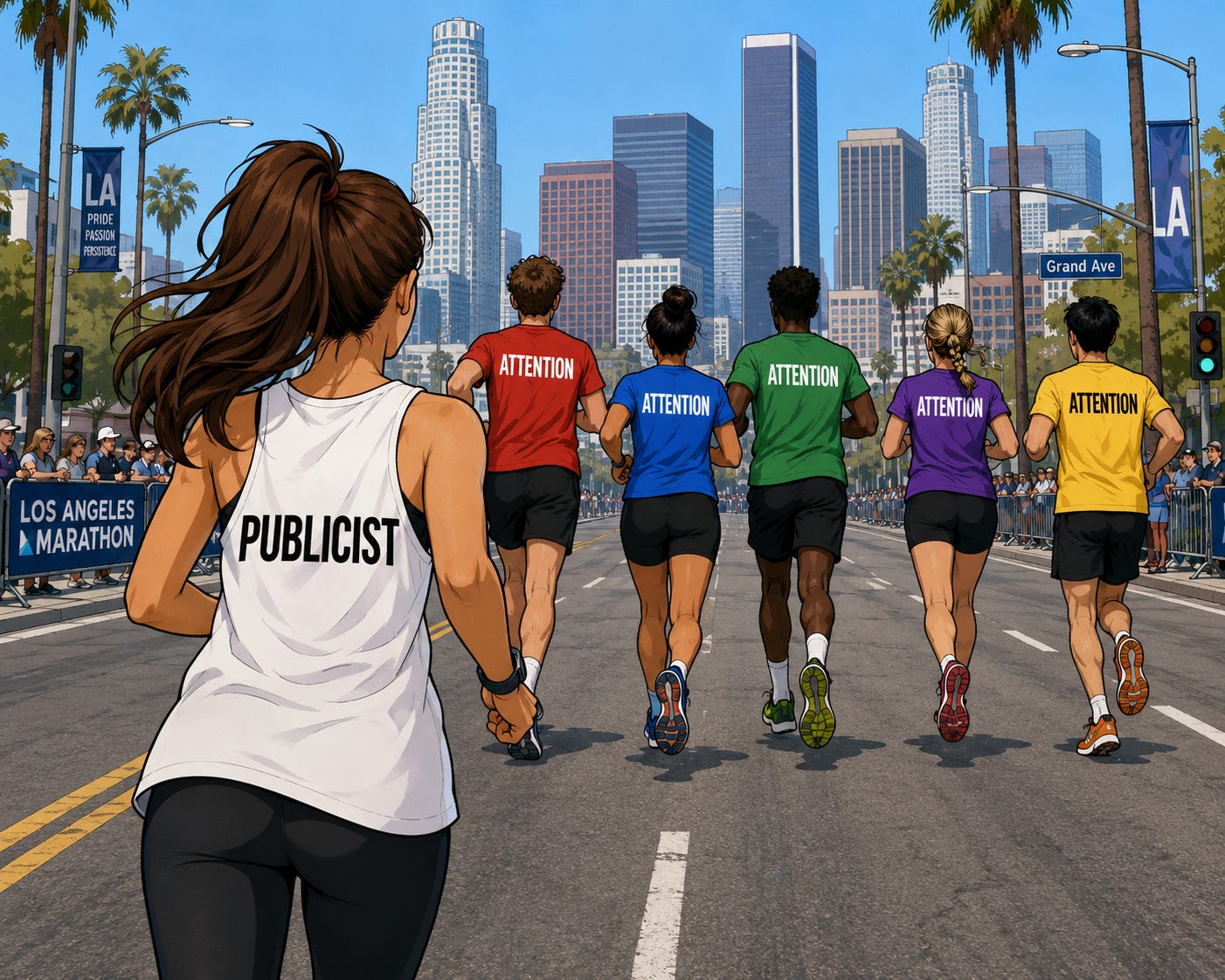
But here’s a question I haven’t been able to stop thinking about (and I’ll tell you why in a bit): When does publicity become too much publicity?
At first glance, it may seem ridiculous. After all, isn’t more visibility the goal?
“This is a great question,” says Amy Prenner, CEO & Founder of The Prenner Group, “and one I genuinely wrestle with, because my instinct as a publicist is always MORE. More coverage, more placements, more visibility. That’s what we do. But the honest answer is yes, there absolutely is such a thing as too much publicity.”
Here is what I’ve arrived at: Is more visibility the goal? Not always. In fact, history is full of examples where the challenge wasn’t just getting attention; it was, also, managing it. Strategy is key. “When PR is used strategically, it can be invaluable helping to bring attention to a product, an initiative or a cause,” Rachel Falikoff, Principal at Let’s Make News PR, adds. She continues, “Another question to ask is ‘What’s the objective and how can you best achieve it and/or best resonate with your audience?’”
Indeed.
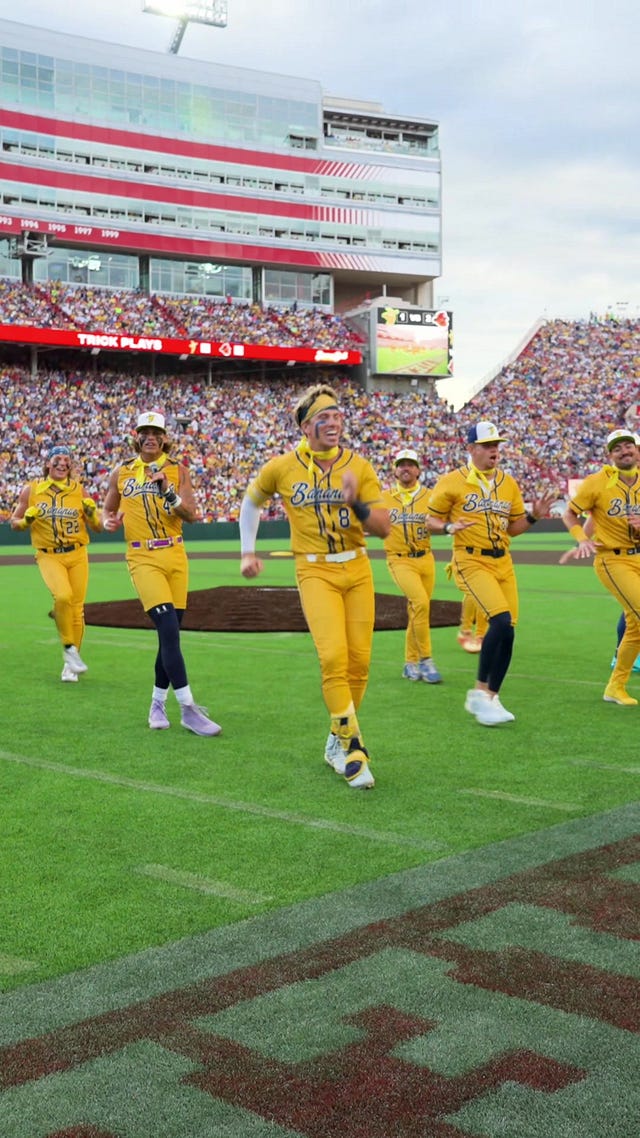
Which brings us to the “why” of it all. The other day, scrolling through TikTok, I came upon a Savannah Bananas video. The team was recreating an iconic Pitch Perfect performance on the field. I rolled my eyes. Do they even play baseball anymore? They’ve had Derek Hough out with “Dancing with the Stars” cast members, rapper/singer Travie McCoy, Tony winner Ben Platt, and even signed Tony-nominated actor Derek Klena to a contract.
 Tiktok failed to load.
Enable 3rd party cookies or use another browser
The baseball-meets-entertainment phenomenon has become one of the hottest tickets in America. Their games sell out stadiums. Their social media content generates millions of views. People who couldn’t name five Major League Baseball players can instantly recognize the Bananas. Having been to a game myself, I can tell you that it’s an overwhelming experience. The gimmicks are plentiful, the merch is affordable, and parents absolutely love bringing their kids of all ages to games.
It’s a remarkable success story.
But it also raises an interesting long-term question – the one I haven’t been able to get out of my brain, nor answer succinctly: HOW DO YOU REMAIN SPECIAL ONCE YOU’RE EVERYWHERE?
It’s a discussion worth having.
Prenner also shares: “When you oversaturate the market, when your talent is on every platform, every podcast, every morning show in the same two-week window you’ve essentially given the audience nothing left to discover. You’ve answered every question before they even thought to ask it.”
Part of the Bananas’ appeal is surprise. Fans don’t attend solely for the baseball, if at all. They attend because they know something unexpected is going to happen. A dancing umpire. A choreographed routine. A trick play unlike anything they’ve ever seen before. But, I think, the challenge for any brand like theirs, built on novelty, is that today’s surprise becomes tomorrow’s expectation. Once an audience becomes accustomed to the spectacle, the pressure grows to make each experience bigger, louder, and more outrageous than the last.
I can only speak to my own experience, but to be blunt, I’m over it. And it’s fair to assume if I feel that way, so do other people. It’s lost its shine and I think they could do with a nice, long off-season. That said, there is no evidence their ticket sales are suffering (they just sold out Yankee Stadium for Pete’s sake); they have broadcast deals in place with ESPN, Disney+, TruTV and TheCW; and while their TikTok views are no longer eight-figures, they still get six and seven-figure counts.
Now, let’s take Taylor Swift. No modern celebrity may understand publicity management better.
Swift has spent nearly two decades as one of the most visible people on the planet, yet she consistently demonstrates a willingness to disappear when necessary. Following periods of intense media attention, she often retreats from public view, only to return with a new project that immediately commands attention (or to sit courtside with friends at a Knicks game). During the pandemic, while many celebrities were desperately trying to remain visible, Swift surfaced from a hibernation to quietly release Folklore and then Evermore, two albums that felt like monolithic cultural moments.

I believe everything Swift does is intentional – even the little things. Here, it wasn’t simply that the music was good, it was that audiences had room to miss her. Scarcity matters.
Susan Engel, Founder of Susan Engel PR, concurs: “When a subject is overexposed the public not only grows tired of them but their brand loyalty and reputation can suffer… A hibernation period is important to regain control and focus on a narrative surrounding what the talent wants to prioritize and focus on.”
The same principle applies to brands.
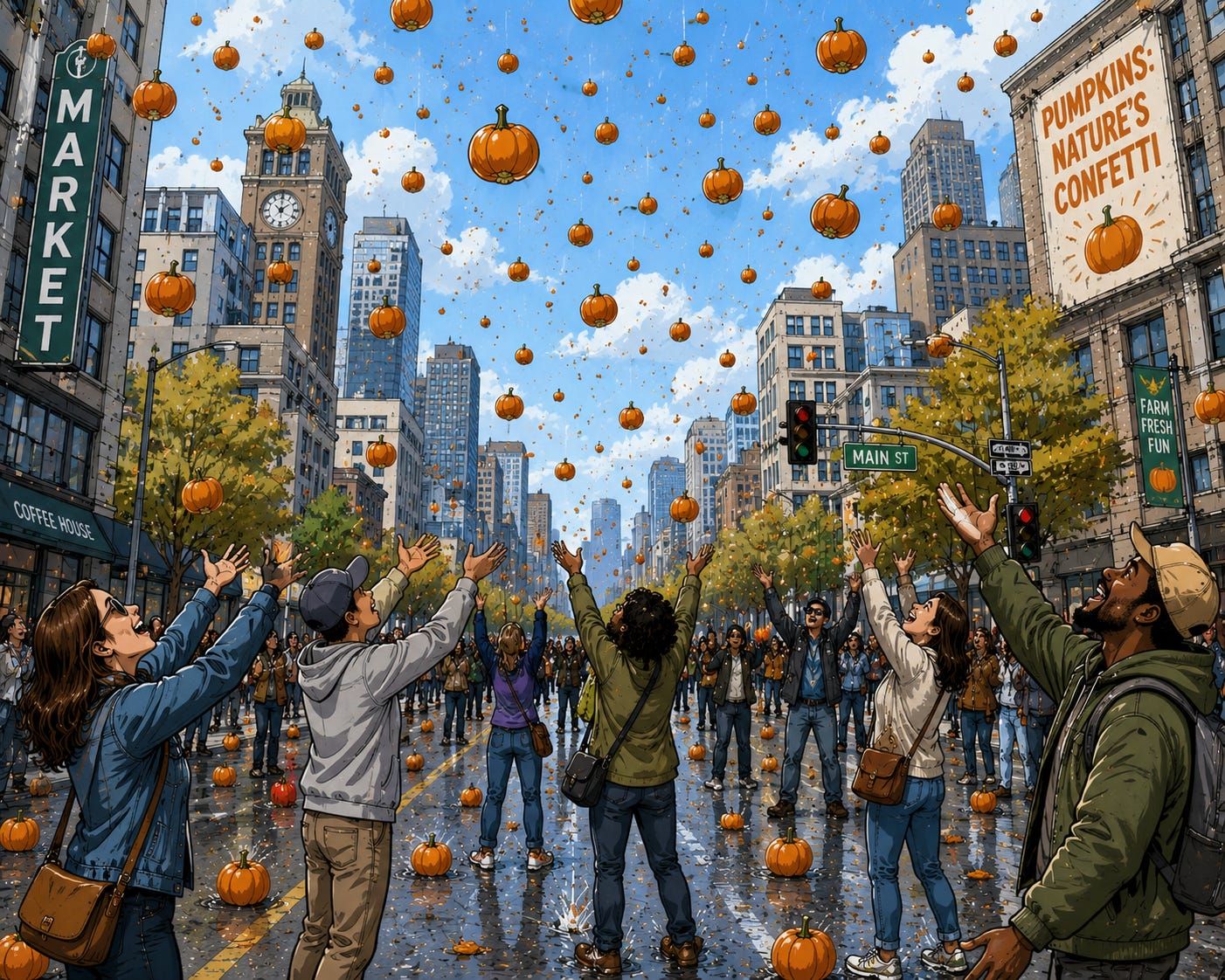
Starbucks’ Pumpkin Spice Latte isn’t just a beverage, it’s an event! Consumers fervently anticipate its return. Media outlets cover its arrival. Social media explodes with reactions. Throw in a seasonal cup and you’ve got yourself major DEMAND. But then, pumpkin spice became everything. Coffee. Cookies. Cereal. Candles. Protein bars. Dog treats. What was once special became ubiquitous.
Groupon offers us a cautionary tale. In the early 2010s, Groupon was impossible to avoid. The company dominated headlines. Consumers received daily deal emails. Businesses rushed to participate and, for a time, it felt unstoppable. Then consumers became overwhelmed. The constant stream of promotions stopped feeling exciting and started feeling routine. The quality of the products listed deteriorated. Competitors like Living Social threw themselves into the race. Today, some of these sites, including Groupon and Living Social, still exist, but they don’t permeate anyone’s day-to-day like they used to.
And don’t even get me started on Marvel and Star Wars fatigue… (Captain America: Brave New World is among the MCU’s lowest-grossing movies and The Mandalorian and Grogu is the lowest-grossing live-action installment in the franchise).
Publicity doesn’t disappear, the impact does. Or — and this is a gem of a takeaway — Prenner says, “Publicity should serve the story, not suffocate it.”
How do you scale without becoming ordinary? Not just by generating attention, but by preserving value. Sometimes that means creating scarcity. Sometimes it means saying no to opportunities. Sometimes it means stepping out of the spotlight long enough for audiences to remember why they cared in the first place.
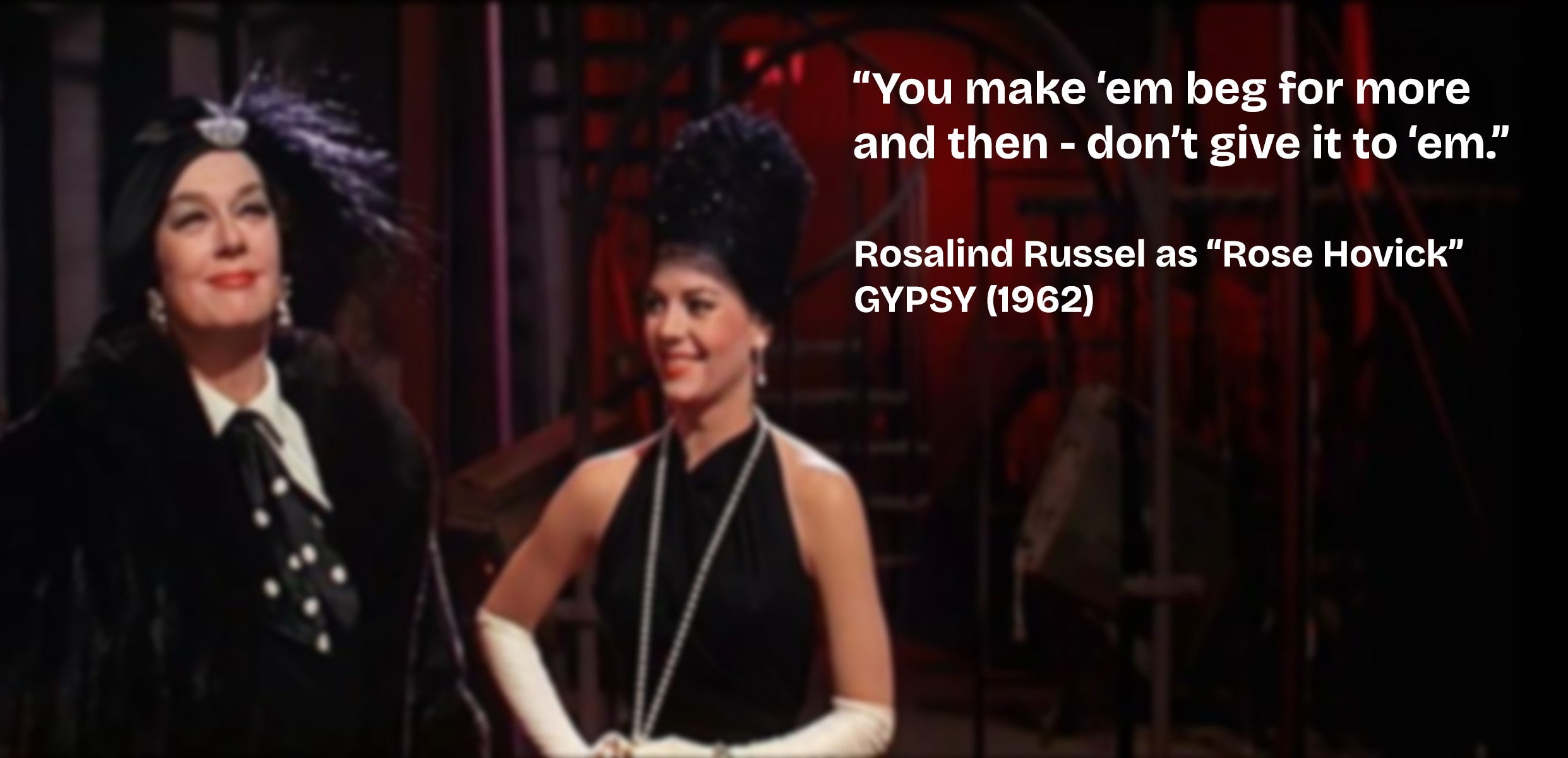
The irony of publicity is that success can create its own challenge. The very visibility that fuels growth can, if left unchecked, become the thing that dulls excitement.
Which is why the question every publicist should occasionally ask isn’t, “How do we get more attention?” Rather, it’s: “Have we given people a reason to miss us?”